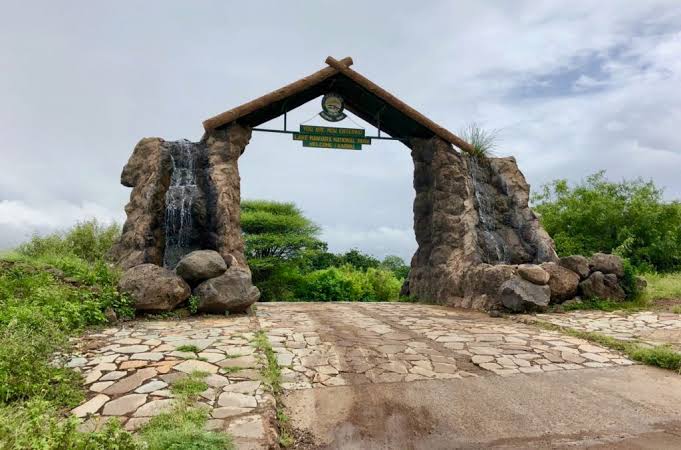
Lake Manyara National Park National Park
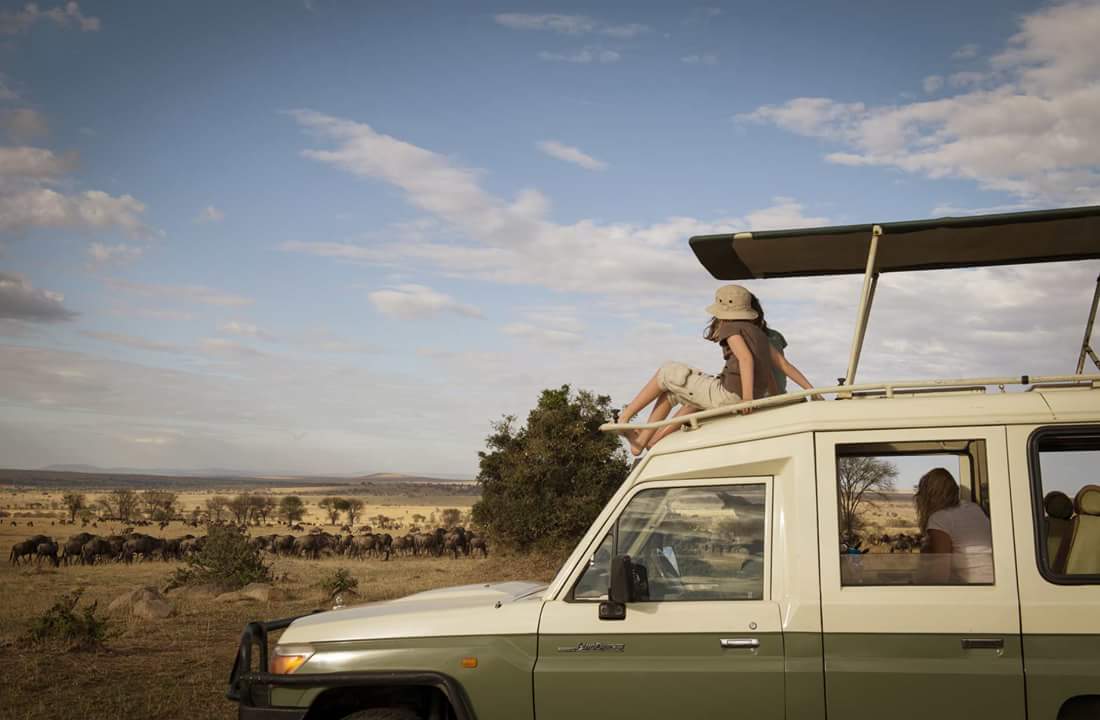
Discover incredible wildlife, stunning landscapes, and unforgettable safari adventures in Lake Manyara National Park National Park.
Discover Lake Manyara National Park National Park
Located
in northern Tanzania along the Great Rift Valley, Lake Manyara National Park is
one of the country’s most diverse and visually stunning safari destinations.
Despite being relatively compact in size, the park offers an extraordinary
variety of landscapes, wildlife, and ecosystems, making it a must-visit stop on
the Northern Safari Circuit.
The
park is famous for its shallow alkaline lake, lush groundwater forests, open
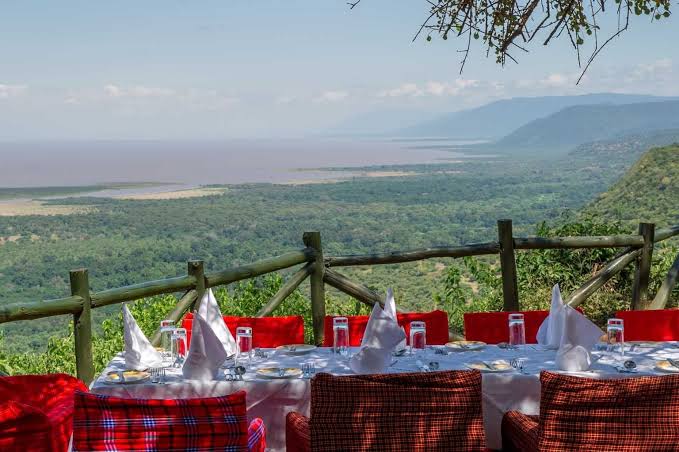
grasslands, and dramatic escarpment views. This unique combination of habitats
supports a rich concentration of wildlife and bird species, offering visitors
an unforgettable safari experience in a single day.
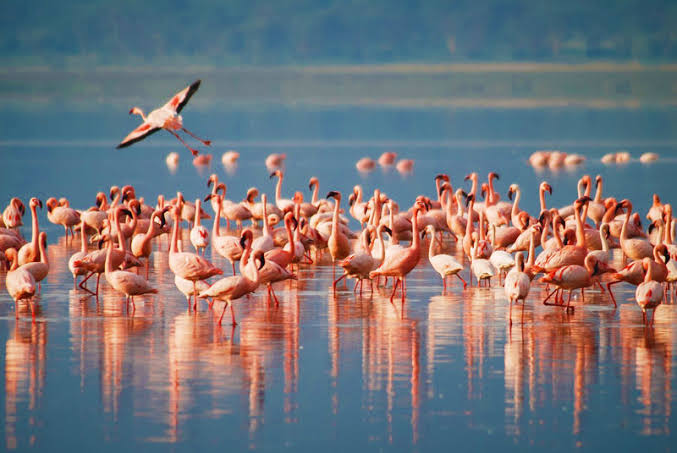
Lake Manyara National Park is especially known for its tree-climbing lions, large flocks of flamingos, and close encounters with elephants, making it one of the most rewarding parks for both first-time and experienced safari travelers.
Wildlife
in Lake Manyara National Park
Lake
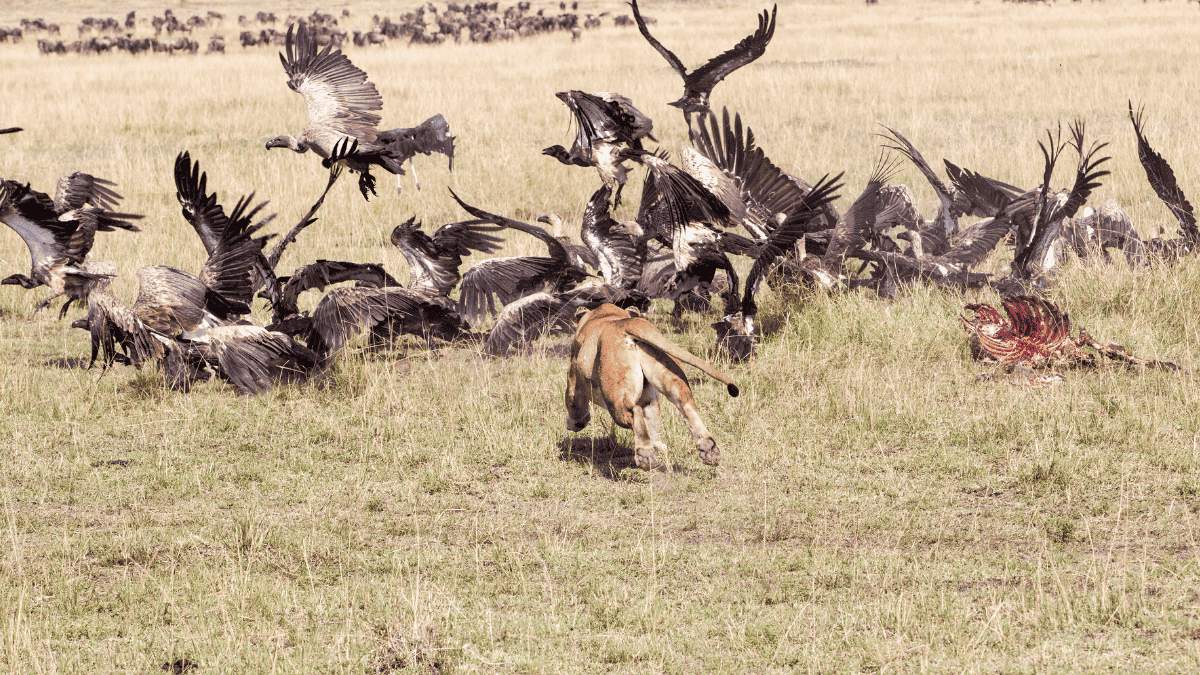
Manyara is home to a wide variety of wildlife species, many of which can be
seen during a single game drive.
Commonly
Spotted Animals:
African
Elephants
Lions
(including famous tree-climbing lions)
Baboons
(large troops often seen near forest areas)
Blue
Monkeys
Giraffes
Zebras
Buffaloes
Warthogs
Impalas
Hippos
The
park is also known for its healthy population of primates, especially baboons,
which are among the most commonly seen animals.
Unique
Landscapes and Ecosystems
Lake
Manyara National Park is known for its remarkable ecological diversity. Within
a short distance, visitors can experience:
Dense
groundwater forests with towering fig and mahogany trees
Open
grasslands filled with grazing wildlife
The
vast alkaline lake of the Rift Valley floor
Dramatic
escarpment views of the Great Rift Valley
Hot
springs and wetlands
This
variety of landscapes creates a constantly changing safari experience
throughout the day.
Activities
in Lake Manyara National Park
Visitors
can enjoy a range of safari activities depending on their interests:
Guided
game drives across forest and savannah areas
Birdwatching
tours along the lake shores
Photography
safaris with scenic viewpoints
Cultural
visits to nearby Maasai and local communities
Nature
observation and wildlife spotting
The
park is ideal for both half-day and full-day safari experiences.
Best
Time to Visit Lake Manyara National Park
Lake
Manyara National Park is open year-round, with each season offering different
highlights:
Dry
Season (June – October)
Best
wildlife viewing conditions
Easier
animal spotting near water sources
Clear
skies for photography
Wet
Season (November – May)
Lush
green landscapes
Peak
birdwatching season
Flamingos
often gather in large numbers
Fewer
tourists and peaceful atmosphere
Experience the incredible wildlife diversity and stunning landscapes of Lake Manyara National Park National Park. Our expert-guided safari tours and trekking adventures offer unforgettable encounters with Tanzania's most spectacular natural wonders.


Popular Safari Tours in Lake Manyara National Park National Park
Experience the best of Lake Manyara National Park with our expert-guided safari tours featuring incredible wildlife encounters and stunning landscapes.