
How much does a Kilimanjaro climb cost - A guidelines of price, routes ,days and Packages for climbing kilimanjaro
Expert travel insights and safari tips for your Tanzania adventure with Juhudi Expedition.
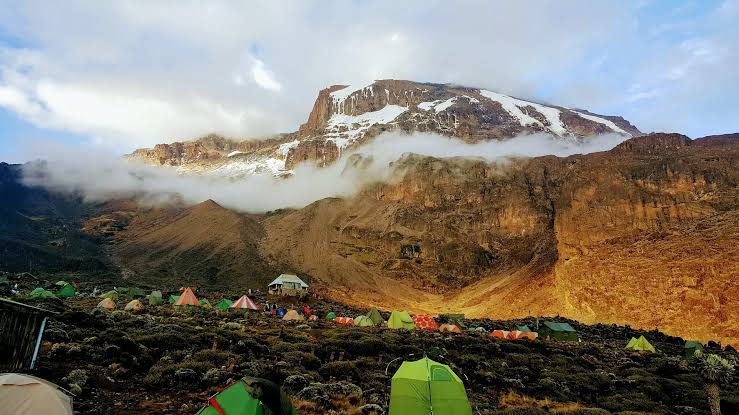
Climbing
Kilimanjaro can be an expensive adventure, with several key costs to consider.
The main expenses include international flights, the tour operator fee, and tips
for your mountain crew.
The
overall cost of a Kilimanjaro climb can vary significantly based on factors
such as your departure location, the length of your trek, and the type of tour
operator you select.
The cost to climb Kilimanjaro can vary widely,
ranging from around $2,000 to $$4,000 or even more.
This are breakdown of
some of the factors that can affect the cost:
- Itinerary
and Length of climb: The
longer you spend on the mountain, the more the climb will cost. Most
climbs range between 6 and 9 days with 7-day climbs being the most common,
but there are also shorter and longer options available. Longer treks with
more days on the mountain will naturally cost more due to additional park
fees, provisions, and guide services
- Kilimanjaro
Route: There
are six main routes to climb Kilimanjaro, there are different routes up
Kilimanjaro, each with its own unique features and difficulty level,
length, and cost. The shortest and easiest route, Marangu Route, is also
the cheapest, while the longer and more scenic routes, like Machame Route,
Lemosho Route and Kilimanjaro Northern Circuit, tend to be more expensive
than the easier routes.
- Kilimanjaro
Operator: There
are many different companies that offer Kilimanjaro climbs, and their
prices can vary widely. It is important to choose a reputable operator
that is experienced and has a good safety record.
- Group size: Climbing
in a group can be more affordable than climbing alone, as some of the
fixed costs, like park fees and guide salaries, can be spread out among
more people, However, it can also be less personalized and more crowded in
very big group
Additional costs to consider:
- Kilimanjaro Tipping: It
is customary to tip your guides and porters after your climb.
- Vaccinations: You
will need to be up-to-date on your vaccinations before climbing
Kilimanjaro
- Kilimanjaro Gear: You
will need to purchase or rent some gear for your climb, such as warm
clothing, hiking boots, and a sleeping bag.
- Visa: You
will need a visa to enter Tanzania.
- . Kilimanjaro Flights: International
flights to Tanzania are not typically included in the cost of the climb,
Getting to Tanzania can be expensive, especially if you are flying from
outside of Africa.
Here are some tips for
finding an affordable Kilimanjaro climb:
- Travel in
the shoulder season: The
shoulder season (April, May, and November) is typically less expensive
than the peak season (June, July, August, and September).
- Be willing
to compromise: You
may be able to find a more affordable climb by being flexible with your
dates, group size, and route
- Consider a
longer climb: A
longer climb may be more expensive upfront, but it can also be a more
successful way to reach the summit.
Here's a rough guide to the cost range based on
different budgets:
- Kilimanjaro Budget Climb: $1,850-$2,000
- Kilimanjaro Mid-range Climb: $2,000-$2,250
- Kilimanjaro Luxury Climb: $3,000-$4,000
Its important to
remember that these are just estimates, and the actual cost of your climb can
vary depending on your specific choices and preferences.
Here are some additional factors to consider
when budgeting for your Kilimanjaro climb:
- Pre- and post-climb
accommodation
- Gratuities for guides and
porters
- Equipment rental (if needed)
- Visas and permits
- International flights to
Tanzania
- Travel insurance
- Vaccinations and medical
supplies
- Equipment rental (if needed)
By carefully considering
all of these factors, you can create a realistic budget for your Kilimanjaro
climb.
Kilimanjaro Passport & Visa:
Ensure your passport is
valid for at least 6 months beyond your planned return date and has at least
two blank pages for visas.
You will need a visa to
enter Tanzania. You can obtain a visa online or on arrival at Kilimanjaro
International Airport (JRO) or your nearest Tanzanian embassy or consulate
before your trip. The visa fee is USD 100, payable in cash.
Kilimanjaro Baggage:
Most airlines allow two
checked bags and one carry-on bag. Check with your airline for specific weight
and size restrictions.
Pack light but bring all
the essential gear you will need for your climb. You can rent some gear in
Tanzania, but it is best to bring your own if possible.
Kilimanjaro Travel Insurance:
It is strongly
recommended to purchase travel insurance that covers medical evacuation, trip
cancellation, and lost baggage.
Why is climbing
Kilimanjaro so expensive?
The high cost of
climbing Kilimanjaro is primarily due to the following factors
Park Fees: The Tanzanian government imposes significant park fees on
climbers. These fees contribute to the conservation of the Kilimanjaro National
Park and its surrounding ecosystems.
Guide and Porter Fees: Hiring experienced guides and porters is essential for a safe
and successful climb. These professionals provide expertise in navigating the
mountain, ensuring proper acclimatization, and carrying necessary equipment.
Their wages, along with the cost of their food and lodging, contribute to the
overall expense.
Equipment Costs: Climbing Kilimanjaro requires specialized gear, including sturdy
hiking boots, warm clothing, and essential camping equipment. These items can
be costly, especially if you need to purchase them specifically for the trip.
Transportation Costs: Getting to the base of Kilimanjaro often involves airfare and
ground transportation. These costs can vary depending on your starting point
and the specific route you choose.
Accommodation Costs: While camping is the most common accommodation option on
Kilimanjaro, some trekkers may opt for more comfortable accommodations, such as
huts or lodges. These options can add to the overall cost.
Food Costs: Food and water are essential during the climb. The cost of
providing meals and hydration for yourself and your support team can be
significant.
Permits and Insurance: Obtaining necessary permits and insurance can also contribute to
the
overall expense. These items are essential for legal and safety reasons.
Its important to note that the cost of climbing Kilimanjaro can vary depending
on the route you choose, the time of year and the level of service you
select.
While climbing Kilimanjaro can be a significant investment, the experience and
the opportunity to summit one of the worlds highest peaks make it a worthwhile
endeavor for many. By understanding the factors that contribute to the cost,
climbers can better plan and budget for their adventure
How much
cash should I bring for Kilimanjaro?
The recommended amount of cash to bring for
Kilimanjaro is typically between $1,700 and $2,100 per person. This amount
should cover
Tipping: Its
customary to tip your guides, porters, and cooks. A typical tip is around $20
per day for guides, $15 per day for Cooks, and $10 per day for porters.
Incidental Expenses: This includes souvenirs, snacks, drinks, and any additional
gear you might need to purchase.
Emergency
Fund: Its always wise to have a small emergency fund in case of
unforeseen circumstances.
Here's a breakdown:
Tipping: Approximately
$300-350
Incidental Expenses: Approximately $250-400
Emergency Fund: Approximately $300-500
A few additional tips:
US
Dollars: These are widely accepted in Tanzania.
Small Denominations: Bring a variety of small bills for tipping and smaller
purchases.
ATMs: There
are ATMs in Moshi/Arusha, but its a good idea to have some cash on hand in
case they're not working.
NOTE: This
is just an estimate, and your actual expenses may vary depending on your
individual spending habits and the length of your trek.

