Can You Climb Kilimanjaro Without a Guide?
Expert travel insights and safari tips for your Tanzania adventure with Juhudi Expedition.
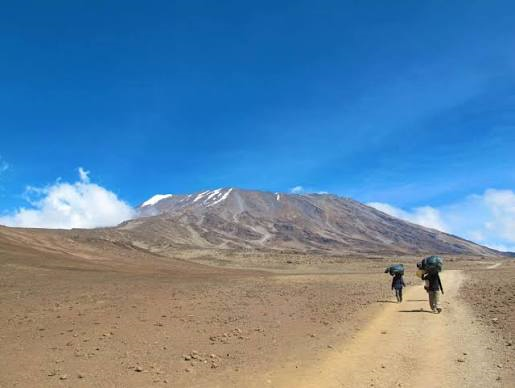
Mount Kilimanjaro is one of Africa’s most iconic trekking destinations, attracting thousands of adventurers every year. A common question among travelers planning their climb is: Can you climb Mount Kilimanjaro without a guide?
The short answer is no. Climbing Kilimanjaro
independently, without a registered guide or authorized trekking company, is
not permitted. All climbers are required to follow the regulations of Mount
Kilimanjaro and must be accompanied by a properly registered guide.
Why Is a Guide Required on Kilimanjaro?
The requirement for a guide is not simply a formality.
Kilimanjaro is a challenging high-altitude mountain, reaching 5,895 meters
(19,341 feet) above sea level. Conditions can change quickly, and
altitude-related illnesses can affect even healthy and experienced hikers.
Our professional mountain guide will provide valuable
support throughout the trek, including:
- Safety
and altitude monitoring: Guides are trained to recognize symptoms of
altitude sickness and help make important decisions if a climber becomes
unwell.
- Route
knowledge: Kilimanjaro has several established routes, and experienced
guides understand the terrain, campsites, weather conditions, and
potential challenges along each route.
- Navigation:
A guide helps trekkers stay on the correct trail, particularly in areas
where weather conditions or low visibility can make navigation difficult.
- Emergency
assistance: In an emergency, guides can coordinate with the
appropriate mountain rescue and park authorities.
- Pacing
and acclimatization: Guides help establish a sensible walking pace and
encourage adequate rest, hydration, and gradual acclimatization.
- Park
regulations: Guides and registered operators help ensure that visitors
comply with national park rules and trekking requirements.
Can Experienced Hikers Climb Kilimanjaro Alone?
Even if you have extensive hiking or mountaineering
experience, you cannot simply enter Kilimanjaro National Park and climb
independently.
However, experienced hikers can still enjoy a high level of
independence during an organized trek. You can choose your preferred route,
trekking duration, accommodation style, and level of support while relying on a
qualified local guide for the requirements that must be handled professionally.
For most travelers, this is actually an advantage. Instead
of worrying about navigation, permits, logistics, and safety, you can
concentrate on enjoying the mountain and reaching the summit.
Do You Need a Large Group to Climb Kilimanjaro?
No. A guide is required, but you do not necessarily need to
join a large group.
Travelers can choose between:
- Private
climbs – ideal for couples, families, friends, or solo travelers who
prefer a personalized experience.
- Small-group
climbs – a good option for meeting other trekkers while keeping the group
relatively intimate.
- Larger
group climbs – often suitable for travelers looking for a more social
experience or a budget-friendly option.
The important point is that the trek should be organized
through our authorized operator and accompanied by our qualified mountain
staff.
How Much Does a Guided Kilimanjaro Climb Cost?
The price varies depending on several factors, including the
route, number of trekking days, group size, level of service, park fees,
accommodation before and after the trek, and the number of guides and porters
required.
A very cheap Kilimanjaro package should be approached
carefully. The lowest price does not always represent the safest or most
responsible option. When comparing operators, travelers should consider the
quality of equipment, guide experience, emergency procedures, porter welfare,
meals, accommodation, and what is actually included in the package.
What Is the Best Way to Prepare?
Although you need a guide, your preparation before arriving
in Tanzania is equally important.
Good preparation should include:
- Choose
an appropriate route and duration. Longer routes generally provide more
time for acclimatization.
- Train
before your trip. Regular walking, hiking, stair climbing, and
cardiovascular exercise can help prepare your body for long trekking days.
- Prepare
for altitude. Fitness alone does not prevent altitude sickness, so proper
acclimatization is extremely important.
- Bring
suitable clothing and equipment. Kilimanjaro involves several climate
zones, from warm lower slopes to freezing temperatures near the summit.
- Choose
a reputable trekking company. Make sure your operator uses qualified
guides and follows park regulations.
- Allow
enough time. Rushing the mountain can make acclimatization more difficult
and reduce your chances of reaching the summit safely.
However, Kilimanjaro should not be underestimated.
The biggest challenge is usually altitude rather than
technical climbing. Trekkers may experience headaches, nausea, fatigue,
shortness of breath, or other symptoms as they ascend. The summit night can
also be particularly demanding because of the cold, darkness, steep terrain,
and high altitude.
This is why experienced guides, gradual acclimatization,
proper preparation, and listening to your body are so important.

